

4 Mins Read
ADNews-Monrovia,Liberia: National Elections Commission (NEC) Chairperson Jonathan Weedor has outlined a series of proposed electoral reforms aimed at strengthening Liberia’s democratic institutions, modernizing the electoral process, and enhancing the credibility of the 2029 General Elections.
By Benjamin Q. Johnson
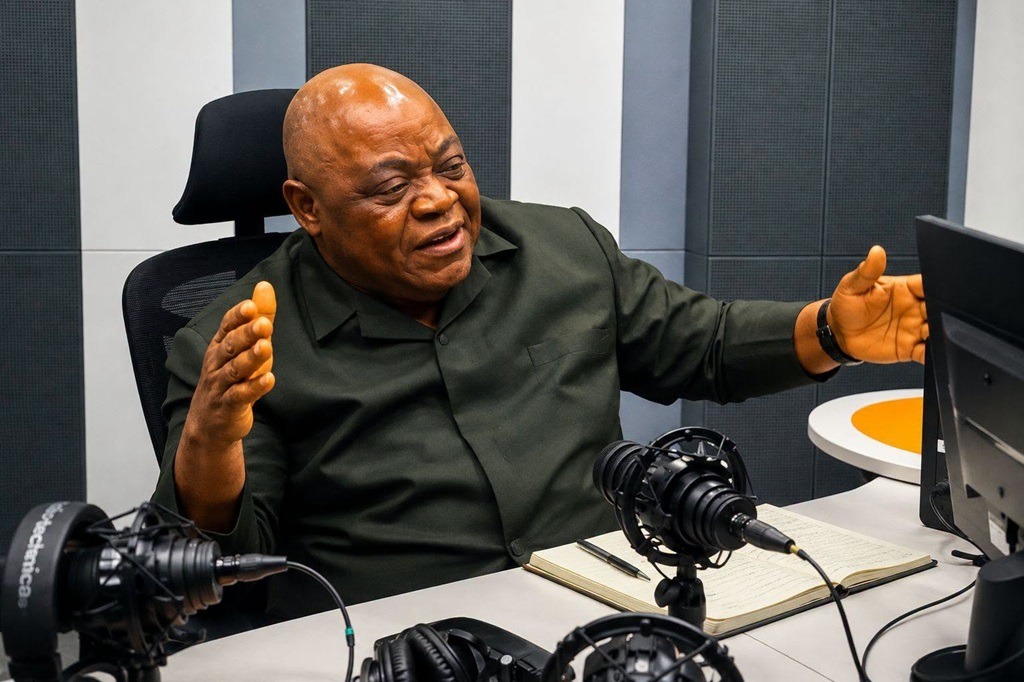
Speaking during an interview on ELBC Radio’s Super Morning Show on Wednesday, Weedor discussed the Commission’s plans to expand the use of technology, reform electoral laws, strengthen political-party regulation, and improve the institutional capacity of the NEC ahead of the 2029 elections.
According to Chairperson Weedor, the NEC is working toward a fully digitized electoral process by 2029, including the use of biometric technology to verify voters on Election Day.
He said biometric verification would strengthen voter identification and help reduce opportunities for electoral fraud and other irregularities.
“Our goal is to transform the NEC into a fully digitized institution to improve efficiency, transparency, and the management of electoral activities,” Weedor said.
He added that the Commission plans to use modern communication technologies, including Starlink, to support electoral operations across Liberia, particularly in areas where internet connectivity remains limited.
“We will use Starlink for electoral activities across the country to enable us to have credible elections,” he explained.
NEC Proposes Increase in Candidate Registration Fees
The NEC is also proposing significant increases in candidate registration fees ahead of the 2029 elections.
– President: From US$2,500 to US$10,000
– Vice President: From US$1,500 to US$7,000
– Senator: From US$700 to US$5,000
– Representative: From US$500 to US$3,000
The proposed increases are expected to form part of broader electoral reforms aimed at strengthening the electoral system and improving the administration of elections.
Chairperson Weedor also raised concerns about the number of political parties currently operating in Liberia.
Liberia currently has 49 registered political parties, with two reportedly expected to be decertified soon. Weedor said the large number of political parties presents challenges for the country’s democratic development and effective electoral management.
He disclosed that the Commission is reviewing the status of political parties to determine whether they continue to meet the legal and regulatory requirements for certification.
Weedor noted that plans are underway to decertify political parties that fail to meet the requirements established by the NEC and applicable electoral laws.
Weedor said his broader vision is to build a stronger, more professional, vibrant and credible electoral institution.
“My vision for the NEC is to expand and strengthen its institutional infrastructure,” he said.
He added: “I want to build an institution that is vibrant and credible, with a good workforce. We want to train our workforce.”
The NEC Chairperson said continuous training and capacity-building for employees would be prioritized to ensure that the Commission has a professional workforce capable of managing increasingly complex electoral processes.
Electoral Law Reform and 30 Percent Women’s Participation
Weedor also disclosed plans to reform Liberia’s electoral laws, including measures aimed at increasing women’s participation in politics and electoral processes.
The NEC is advocating for provisions that would promote at least 30 percent women’s participation in political and electoral processes.
According to Weedor, greater inclusion of women is essential to building a more representative and inclusive democratic system.
The NEC Chairperson also called for increased and sustainable financial support from the national government.
“We want the national government to fund the NEC,” Weedor said, stressing that adequate resources are necessary for the Commission to effectively perform its constitutional responsibilities.
He said stronger institutional financing would enable the NEC to invest in infrastructure, technology, staff training and other critical areas required to conduct credible elections.
Meanwhile, Weedor addressed questions surrounding the reported vacancy in Montserrado County Electoral District #10.
He clarified that the NEC has not received any formal notification from the House of Representatives informing the Commission of a vacancy in the district.
The clarification comes amid discussions surrounding the status of the seat and possible steps toward filling it.
With the 2029 General Elections approaching, the NEC’s proposed reforms signal an effort to modernize Liberia’s electoral system and strengthen public confidence in the democratic process.
From biometric voter verification and digitalization to political-party regulation, electoral law reform, women’s participation, staff development, improved connectivity and institutional strengthening, Chairperson Weedor says the Commission is preparing to build an electoral system capable of delivering more transparent, efficient and credible elections
Comments are closed.