
Green Forest Mining Threatens Liberia’s Environment, Raises Alarm Over Future Climate Disasters

3 Mins Read
ADNews-Monrovia,Liberia: Liberia’s fight against illegal mining has taken on renewed urgency after the Environmental Protection Agency (EPA) uncovered what it describes as an unlicensed, Chinese-owned gold mining operation in Todee District, Montserrado County, where toxic chemicals were allegedly being used without the environmental permits required by law. Environmental experts warn that if such activities continue unchecked, Liberia could face severe environmental degradation and climate-related disasters in the years ahead.
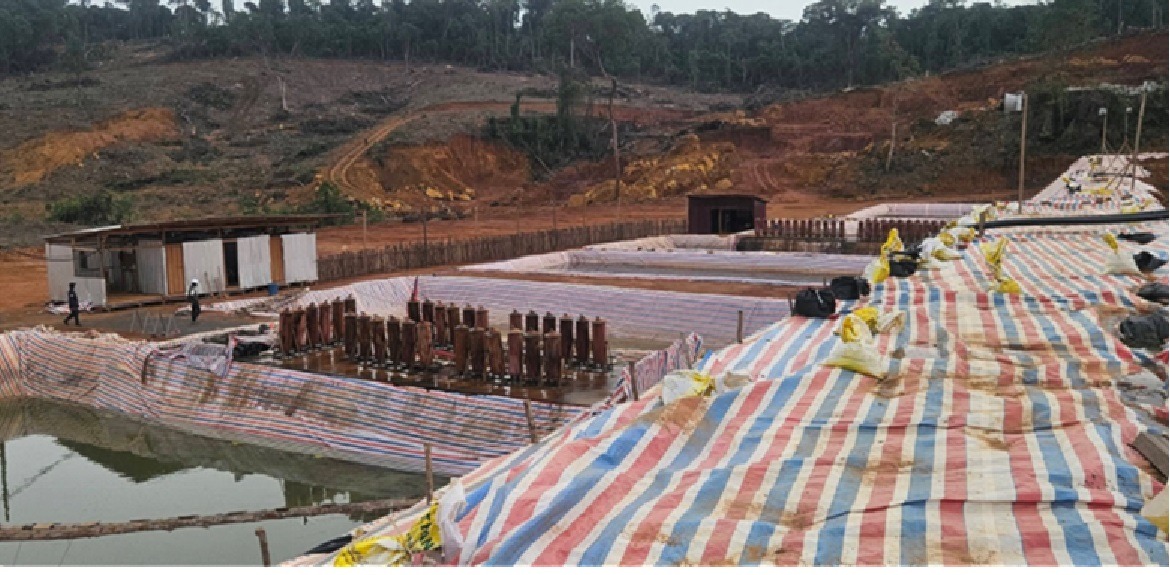
The EPA says the operation, identified as Green Forest Mining, had allegedly expanded despite an earlier shutdown order issued by the Agency. During a recent enforcement operation, EPA inspectors, accompanied by officers of the Liberia National Police, arrested 20 Chinese nationals after investigators reported finding large-scale mining activities, extensive forest destruction, and the alleged use of cyanide without the required environmental approvals.
Environmental authorities believe the incident demonstrates the growing threat posed by illegal foreign mining operations across Liberia. According to EPA Executive Director Emmanuel Urey Yarkpawolo, the operation exposed widespread clearing of forests and alleged chemical contamination of waterways, raising serious concerns about the country’s ability to protect its natural resources. He warned that hazardous chemicals such as cyanide, when used outside approved environmental safeguards, can poison rivers, destroy aquatic life, and threaten communities that depend on those water sources for drinking, fishing, and farming.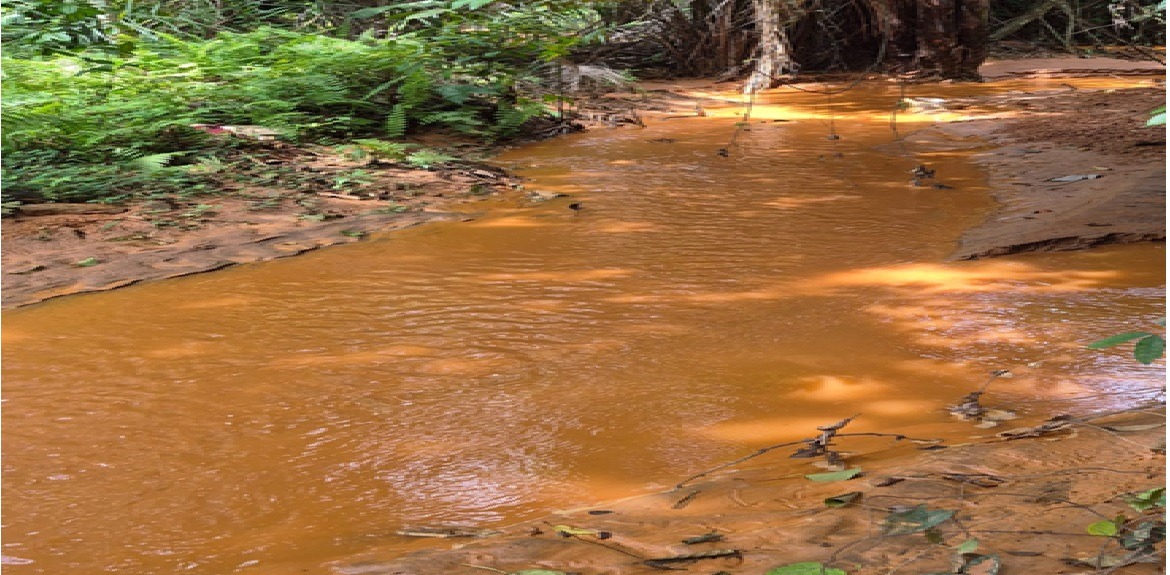
The investigation reportedly began after a university student conducting academic research detected traces of cyanide in a water sample collected from a nearby creek. The discovery prompted EPA investigators to revisit an area where they had previously ordered mining activities to cease. Upon returning, inspectors said they found the operation had expanded significantly, with heavy equipment actively clearing land and carrying out mining activities despite the earlier closure order.
Residents of George Moko Town say they have witnessed dramatic environmental changes since mining activities began near their community. According to community members, streams that once provided clean drinking water and supported fish, crabs, and other aquatic life have become murky, while fish have disappeared. Although residents say they have not personally seen scientific test results confirming contamination, many believe the environmental changes coincide with the mining operation. They are now appealing to the government to permanently address the situation before further damage is done.
Environmental observers warn that beyond local pollution, continued illegal deforestation and irresponsible mining could worsen Liberia’s vulnerability to climate change. The destruction of forests reduces the country’s ability to absorb carbon dioxide, increases the risk of soil erosion, floods, and landslides, and weakens biodiversity. Polluted rivers also threaten agriculture, public health, and food security. Experts believe that if illegal mining continues without effective regulation, Liberia could experience more severe climate-related disasters in the future, particularly as extreme weather events become more frequent across West Africa. This broader climate concern aligns with the EPA’s warning that stronger environmental enforcement is urgently needed.
The Liberian Government has already established the “Protect Our Resources Taskforce” to combat illegal mining, citing widespread reports of river diversion, deforestation, contaminated waterways, and the unlawful use of hazardous chemicals. Meanwhile, the EPA says the Todee mining site will remain closed until all environmental requirements are satisfied. As the investigation continues, the case has become one of Liberia’s strongest reminders that illegal foreign mining is not only an economic or regulatory challenge but also a growing environmental and climate threat that demands decisive national action to safeguard future generations.
Source FPA
Comments are closed.