

4 Mins Read
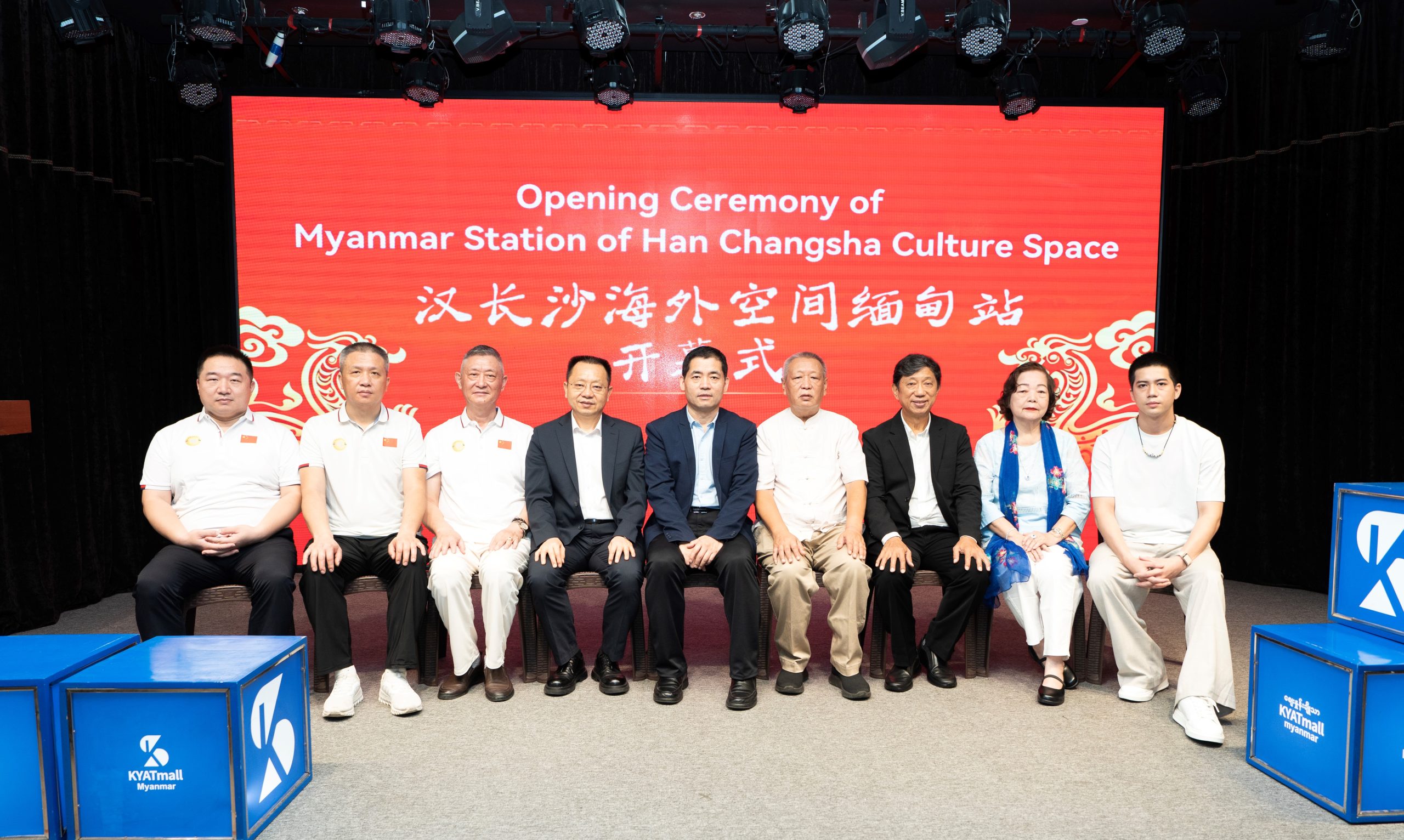
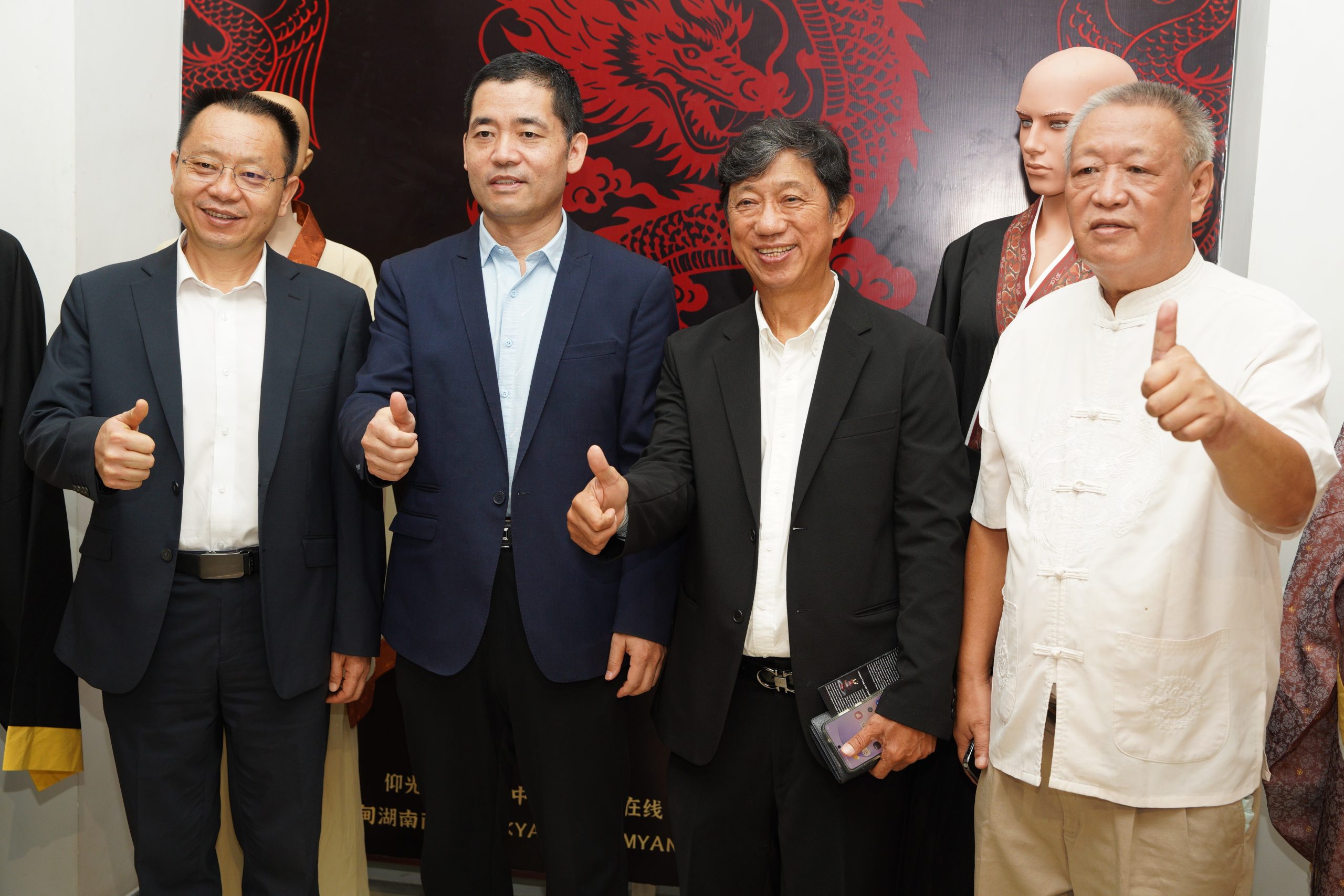
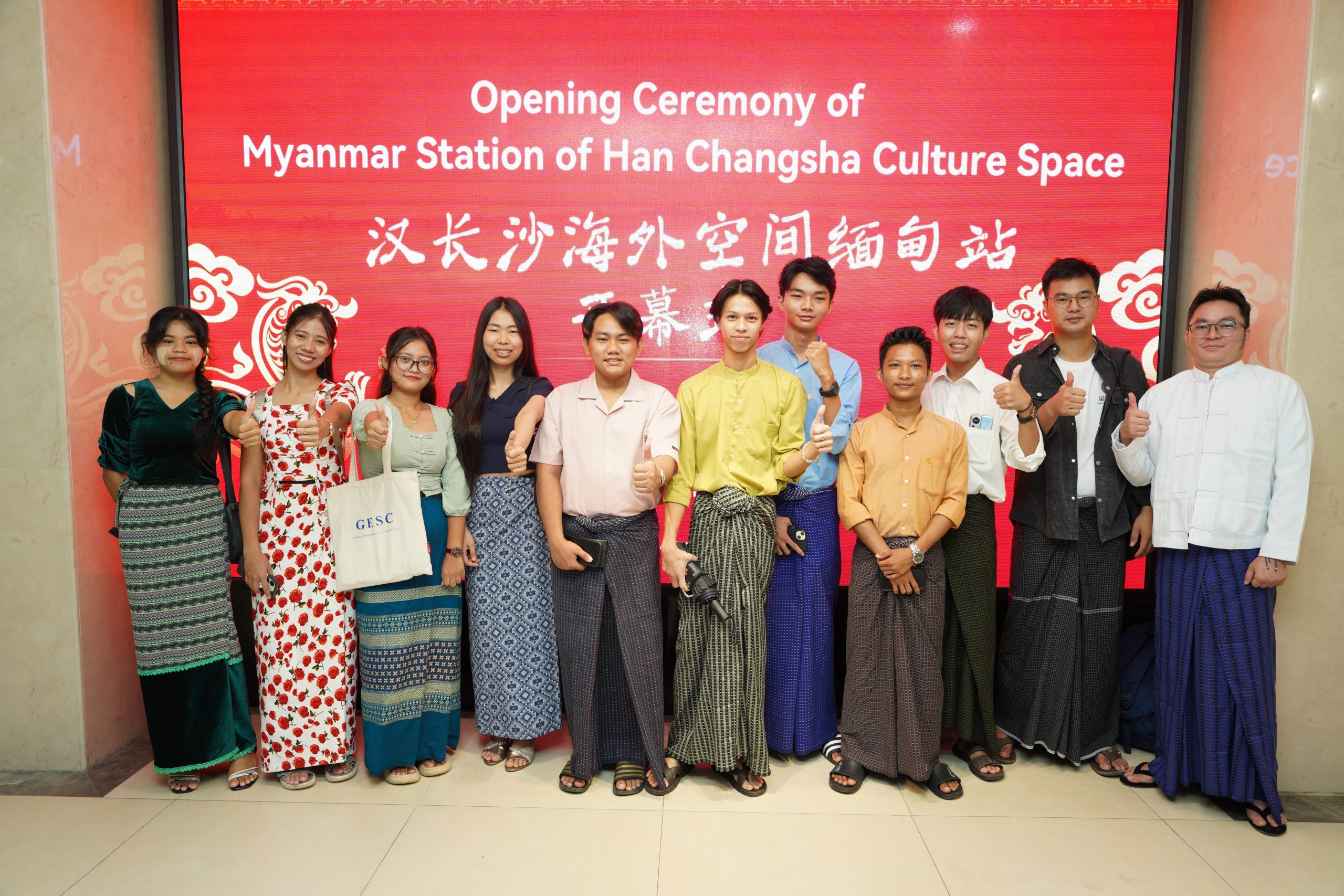
ADNews-China: August 20th (Reporter: Liu Jia, Intern Reporter: Li Siyu) August 19th, the first overseas station of the Han Changsha Culture Space officially opens in Yangon, Myanmar. Unveiled at the China Cultural Center in Yangon, this station marks the first regular Sino-Myanmar cultural exchange landmark in the Shwedagon Pagoda area. Li Qianguo, Counselor of the Chinese Embassy in Myanmar, attended and delivered a speech;Han Jiajun, Director of the China Cultural Center in Yangon, presided over the opening ceremony.
 Stepping into the Han Changsha Culture Space, the most attractive replica is a 1,800-year-old “visiting card”, which is a wooden slip called Huang Chao’s Greetings. Dating back to the Three Kingdoms period in China, for scholars and literati in Changsha of the Eastern Wu Kingdom, presenting a Mingci was the most dignified way to introduce oneself when visiting others. The Chinese characters reading “Your disciple Huang Chao greets you respectfully to inquire about your well-being. I am from Yiyang, Changsha, with courtesy name Yuanbao” are written in steady and elegant strokes, conveying the grace and cultivation of Changsha scholars a millennium ago on this narrow strip of wood. Next to it stands a replica of the Zoumalou bamboo slips. These record ancient Changsha culinary recipes that demonstrate the lavish banquets of Changsha’s ancient nobility, illustrating the enduring passion for delicacies among the people living in Hunan region for centuries. The Zoumalou bamboo slips are also recognized as one of the “100 Major Archaeological Discoveries in the 20th Century in China”.
 Standing quietly in the center of the exhibition hall is Zhu, which is in fact one of China’s earliest string instruments. Lost since the Song Dynasty, it existed only in historical records for over a thousand years. In 1993, archaeologists unearthed three well-preserved Zhu from the tomb of Queen Yuyang of the Western Han Dynasty in Changsha’s Hexi district. This “Greatest Ancient Zhu Instrument in the World” finally saw the light of day again, representing a major breakthrough in Chinese musical archaeology.
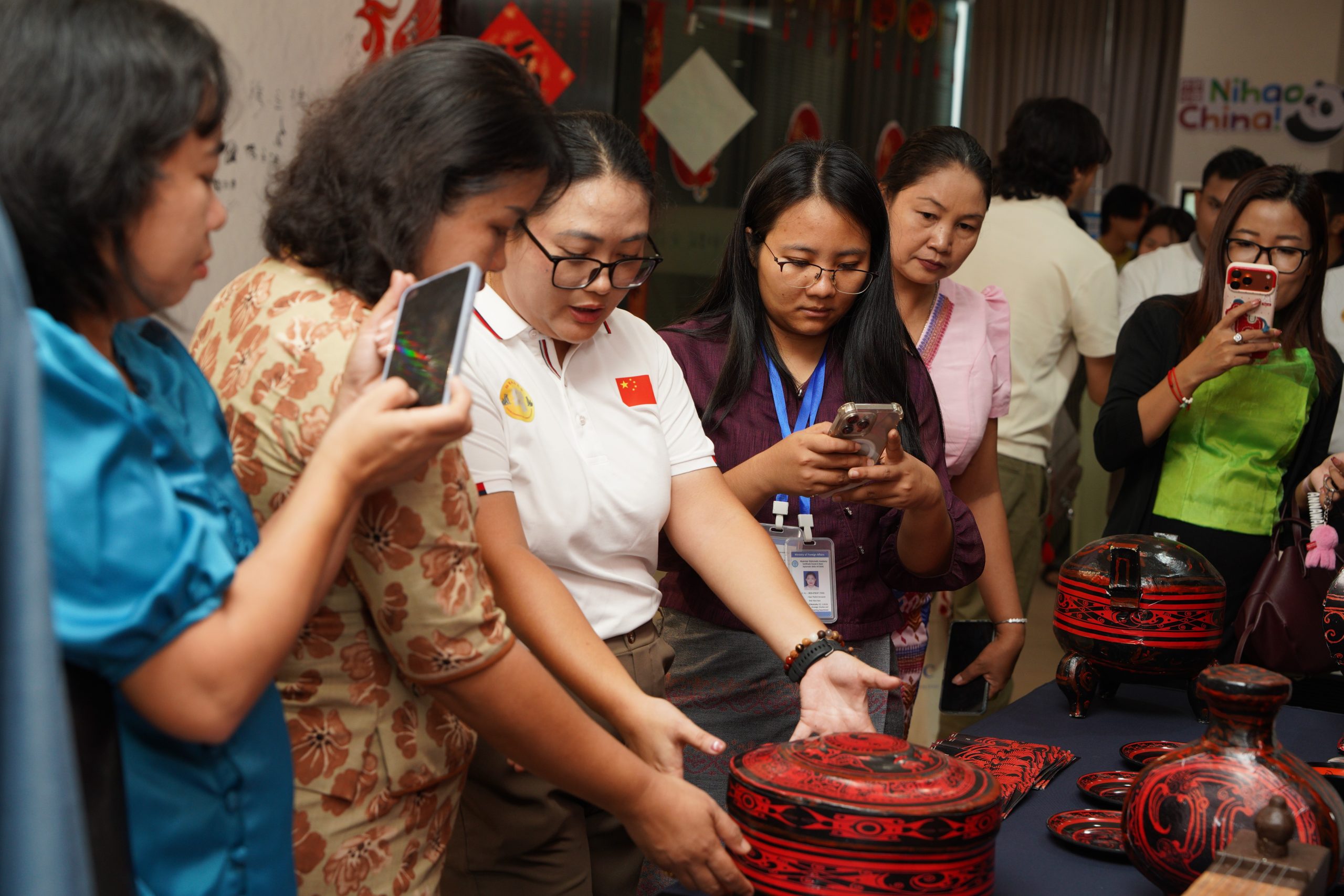
Replicas of Mawangdui lacquerware and Mawangdui-style Hanfu on the scene are unfolding an elegant picture of Han Dynasty daily life. Lacquer tripods, Fang and ear-cups, black-lacquered on the outside and red-lacquered inside, are adorned with cloud designs and phoenix patterns, blending the romantic spirit of the Chu region with the grandeur of the Han Dynasty in rich vermilion tones. Beside them stand the Mawangdui Hanfu replicas. With the quju and zhiju designs as well as flowing sleeves, they vividly evoke the ceremonial elegance of the “Kingdom of Etiquette and Fine Attire.”
 The project also features an AI/AR digital interactive video entitled Xin Zhui: Bloom of the Han Dynasty. Through 21 life scenes, it immersively presents a day in the life of Lady Xin Zhui, allowing friends from Southeast Asia to enjoy themselves in the world of the wife of Prime Minister of Changsha State during the Western Han Dynasty.
Li Qianguo noted that cultural exchange is the softest, most lasting and most far-reaching bond between nations. Han culture is the wellspring of Chinese culture and Changsha is a truly renowned city of the Chu and Han dynasties, jointly presenting to the world not just “an long-established China” but also “a continuously innovative China”.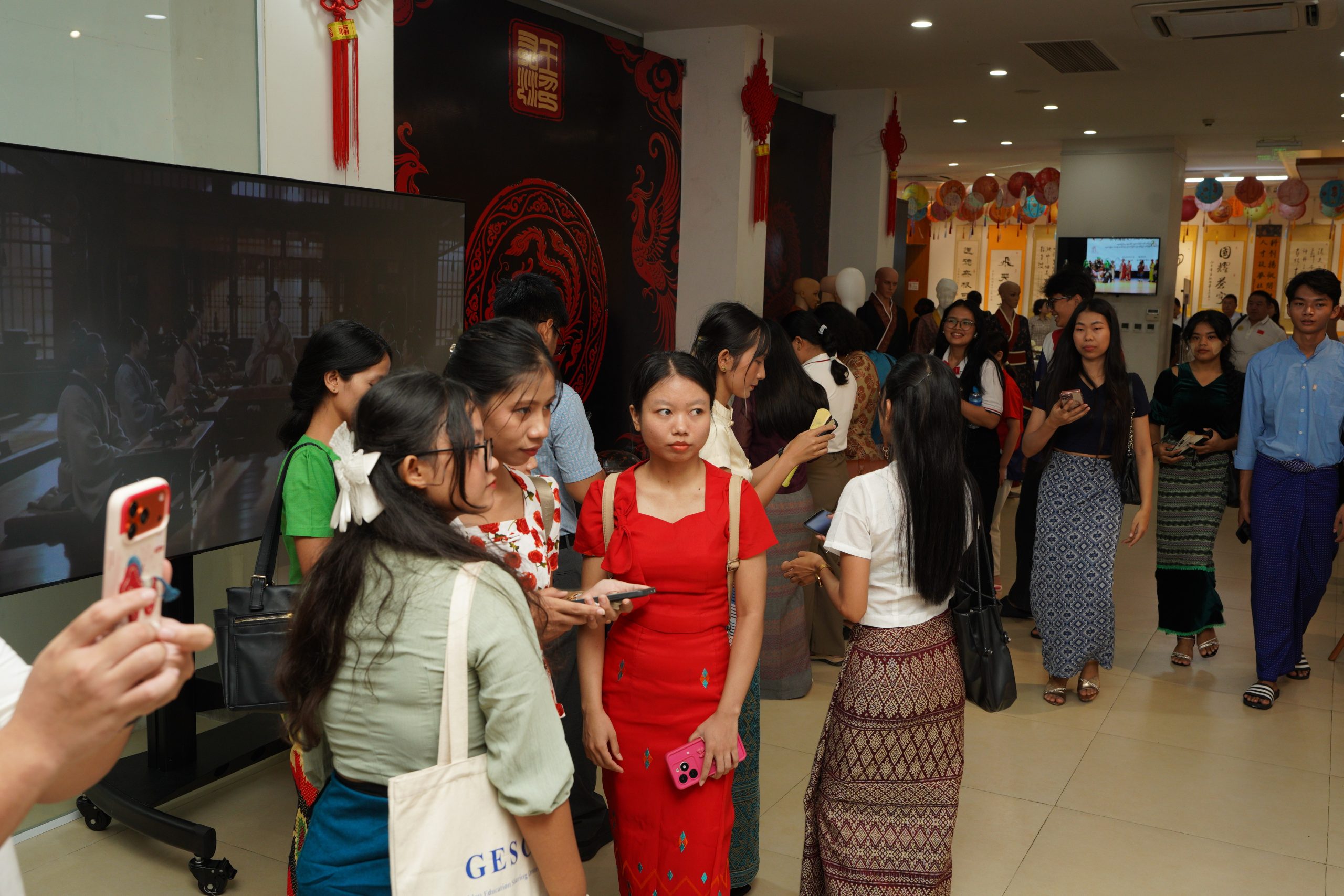
Cultural and museum experts and enthusiasts express that the launch of Han Changsha Culture Space in Yangon represents both an creative step for Changsha culture “going global” and a vibrant platform for people-to-people bonds between China and Myanmar. Based on the Shwedagon Pagoda’s tourist traffic and local overseas Chinese community resources, this project is poised to be a new cultural landmark in Yangon, playing an active role in promoting Sino-Myanmar cultural exchange and strengthening friendship between the two peoples.
This project is jointly sponsored by Changsha Online and Han Changsha State Archaeological Site Park, supported by the China Cultural Center in Yangon, Myanmar and the Hunan Chamber of Commerce in Myanmar, and organized by KYATMALL MYANMAR Co., Ltd. and Hunan Haiyuetang.
Comments are closed.