

4 Mins Read
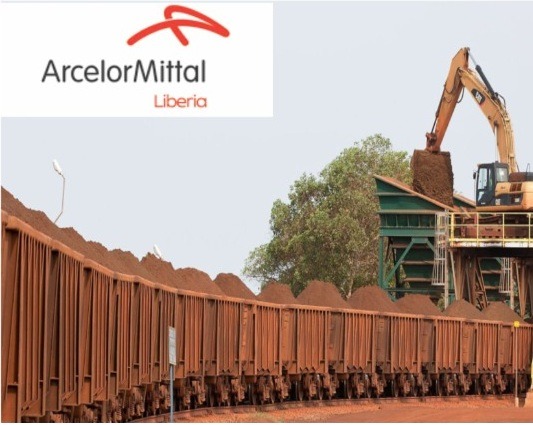
ADNews-Monrovia,Liberia:The draft amendment to ArcelorMittal Liberia’s (AML) Mineral Development Agreement (MDA) is now before the Inter-Ministerial Concessions Committee (IMCC). As deliberations continue, concerns are mounting that the agreement’s “supremacy clause” poses not just a legal challenge to Liberia’s sovereignty, but a moral test of national integrity.
At stake is whether Liberia’s leaders can defend the Republic’s Constitution, protect the nation’s economic independence, and uphold their right to govern without interference from private corporate interests.
A Clause That Threatens the Constitution
At the center of the controversy is a proposed “supremacy clause” declaring that the AML agreement “shall prevail” in the event of any conflict with Liberian law. Critics say the clause effectively elevates a private foreign corporation above the laws of the Republic, a move they call unconstitutional and dangerous.
Analysts warn that the clause would not only undermine Liberia’s legal authority but also entrench an economic monopoly that could discourage competition and investment.
Control Over Strategic Infrastructure
The proposed amendment reportedly grants AML near-exclusive control of the Yekepa–Buchanan rail and port corridor — infrastructure critical to Liberia’s mining and export economy.
This corridor, connecting the iron-rich Nimba highlands to the Atlantic coast, is considered a strategic national asset. Under the National Rail Authority Act, it could serve multiple users, including other mining firms, domestic industries, and regional partners.
Instead, the amendment risks locking Liberia into a one-company model, critics say, stifling competition and deterring new investors.
“Foreign companies are far less likely to invest in a country where essential infrastructure is monopolized,” one policy analyst noted, “especially when contractual privileges appear to supersede national law.”
Regional Lessons Ignored
Observers point to experiences in other African nations, where monopolized control over key infrastructure has discouraged investment and innovation.
“When states surrender strategic assets to private monopolies,” said one economic commentator, “they undermine the diversity of investment needed to drive job creation and value addition.”
Liberia, critics argue, cannot credibly promote itself as “open for business” while granting exclusive rights to one company over national infrastructure.
History Repeats Itself
In 2022, the Liberian Legislature rejected AML’s third amended MDA over similar concerns, citing threats to sovereignty and fair competition. Lawmakers at the time concluded that exclusive control of the Yekepa–Buchanan rail line posed long-term risks to national interests.
Observers say that same reasoning should guide decisions today.
“No foreign investor, no matter how established, should have powers that override the state or block fair market participation,” said a government insider.
Transparency Concerns in the Negotiation Process
Adding to the controversy are reports that discussions over the revised MDA have shifted from the National Investment Commission (NIC), the legally mandated chair of the IMCC, to the Ministry of State for Presidential Affairs.
Such a move, critics say, raises red flags about transparency and potential conflicts of interest, particularly given past professional links between ministry officials and AML.
Minister of State Sam Stevquoah recently assured the public that “the process is being carried out by the NIC.” However, transparency advocates argue that assurances are not enough.
“Transparency must be demonstrated, not declared,” one observer said. “The Liberian people deserve verifiable proof that the process follows the law and that no backroom influence shapes decisions over assets worth billions.”
Boakai’s ARREST Agenda at Stake
President Joseph Boakai’s ARREST Agenda envisions establishing a National Rail Authority to ensure multi-user access to rail corridors. The leaked AML draft, however, appears to undermine that vision by delaying or preventing the transition to independent rail management — effectively keeping control under a single corporate operator.
True sovereignty extends beyond political independence. It includes the ability to regulate and manage national resources for the benefit of citizens.
The Legislature is being called upon to reject any clause that subordinates national law to private agreements. The NIC must reassert its lawful authority over the concession process, ensuring openness and competition. And the Executive must affirm that no administration — past, present, or future — will compromise the nation’s right to self-governance.
“Liberia’s economic future belongs to all its people,” one civic leader said, “not to any single company.”
Comments are closed.