

2 Mins Read
ADNews-Monrovia, Liberia: A group of Liberian journalists reporting on Sexual and Reproductive Health and Rights (SRHR) have pledged to produce high-quality, impactful stories that will challenge public misconceptions, hold policymakers accountable, and protect the rights and privacy of individuals.
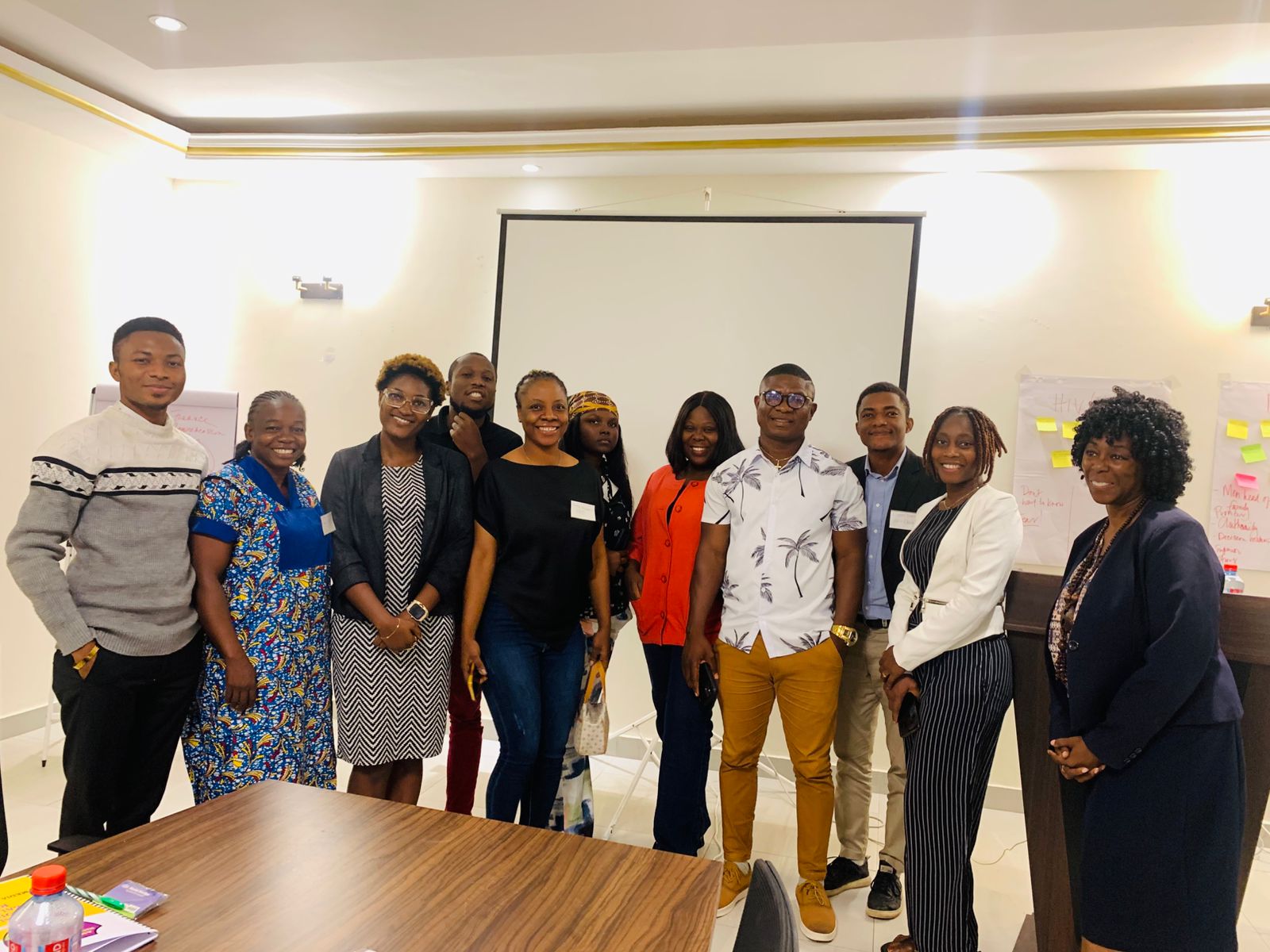
The commitment was made at the conclusion of a two-day training workshop organized by the Amplifying Rights Network (ARN), held from Thursday, September 4 to Friday, September 5, 2025, in Monrovia.
The training focused on empowering journalists to report accurately and consistently on SRHR issues, provide stigma-free information, amplify the voices of marginalized groups, and influence public attitudes through thoughtful framing and storytelling.
SRHR is widely recognized as a fundamental human right, with far-reaching impacts on health, education, gender equality, and economic development.
Speaking at the training, Madam Sandra Okoed, one of the facilitators, emphasized the critical role of journalists in advancing SRHR through accurate, evidence-based reporting.
“Journalists have a powerful role in promoting sexual and reproductive health and rights by ensuring the public receives factual, unbiased information,” Madam Okoed said.
Presenting data from Gender Links, Okoed noted that SRHR topics make up just 2% of all news stories in the Southern Africa region. Moreover, men’s voices dominate SRHR coverage, with women cited as sources in only 43% of SRHR-related reports.
“This imbalance reflects a significant underrepresentation of women’s perspectives in SRHR reporting,” she added.
The training also introduced participants to key international human rights instruments related to SRHR. These include the right of every individual to make free and informed decisions about their sexuality and reproduction,free from coercion, discrimination, and violence.
Other rights highlighted included the rights to health, life, privacy, education, and freedom from torture, all of which are central to the SRHR framework.
Participants were urged to pay special attention to marginalized and underserved populations, ensuring that their voices and experiences are reflected in the national SRHR discourse. By doing so, journalists can help shift public perceptions and promote policies that are inclusive, rights-based, and evidence-driven.
The training concluded with a renewed commitment from participants to use their platforms responsibly and constructively to support Liberia’s progress on SRHR.
Comments are closed.