

3 Mins Read
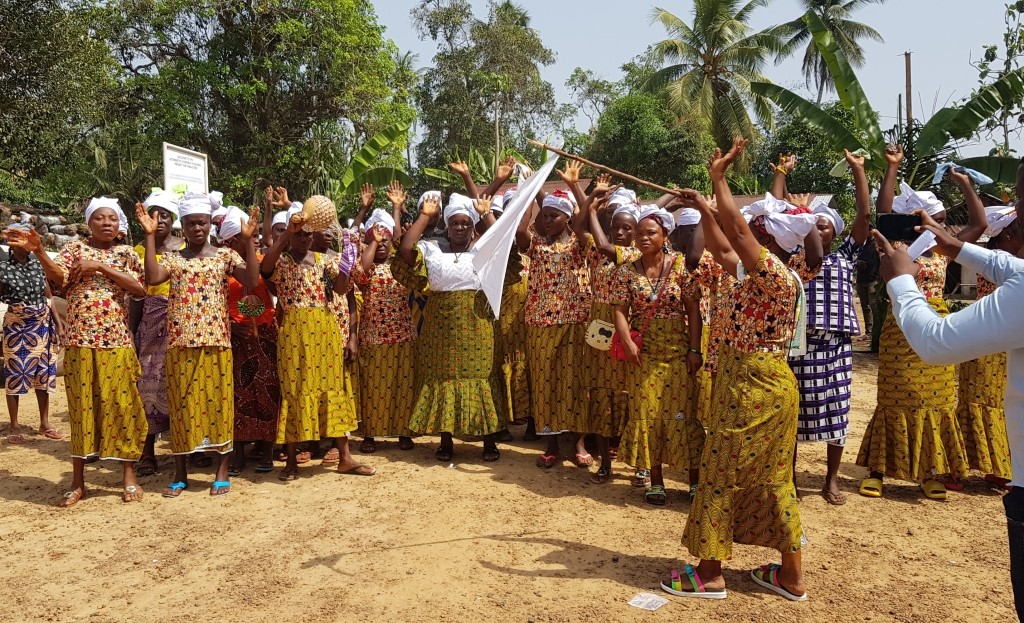
ADNews – Monrovia, Liberia: Montserrado County has officially banned Female Genital Mutilation (FGM), marking a historic step towards ending harmful traditional practices in Liberia. Traditional leaders in the county made the announcement during a ceremony held in Songkay Town, coinciding with the International Day of Zero Tolerance for FGM.
In place of the harmful practice, local authorities have introduced the “Kpowah Sande Society”—a cultural alternative that involves traditional initiation without genital mutilation. The initiative aims to preserve cultural heritage while promoting the safety and rights of women and girls.
As part of the transition, the county launched the Alternative Eco-Livelihood Program. This initiative will provide skills training in tie-dye, tailoring, and village savings for traditional female leaders, equipping them with sustainable means of livelihood.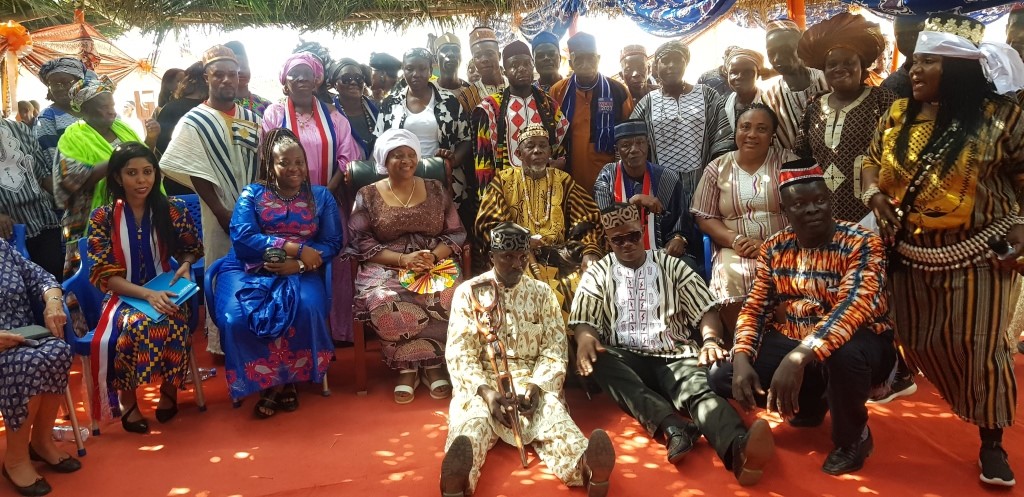
Madam Massa Kandakai, the Montserrado County Chief Female Zoe, confirmed the closure of all Sande bushes in the county. She appealed for continued support from the government, the United Nations, and development partners.
“I, Massa Kandakai, say it must be closed, and it’s closed for good. I agree fully—but now we ask, what will you do for us?” she declared.
Speaking at the event, UN Women Country Representative Ms. Comfort Lamptey reiterated the organization’s support for the ban and highlighted the broader implications of FGM.
“FGM is one of the most vicious manifestations of patriarchy and a gross violation of human rights,” she said. “It causes lifelong damage to the physical and mental health of women and girls.”
Ms. Lamptey emphasized that gender inequality and restrictive social norms fuel the practice, limiting women’s access to education, employment, and leadership opportunities.
She called on men and boys to join the fight against FGM, noting that collective action is necessary to end the practice once and for all.
Liberia’s Traditional Queen, Juli Endee, shared her support for the ban and stated that other counties will gradually follow, provided the right support structures are in place.
“We conducted traditional rituals for 19 days and nights to consult our ancestors before reaching this decision,” she explained. “Of the 11 counties that practice FGM, Montserrado is the first to formally abandon it.”
Queen Endee clarified that there are three types of Sande societies in Liberia: Mua Sande (practiced by Muslims), Zoebar Sande (associated with masked ceremonies), and Kpowah Sande (initiation without mutilation). The first two are being banned, while Kpowah Sande will be retained as a cultural education model.
“The Kpowah Sande will continue to teach patriotism, cultural skills, and values without endangering lives,” she noted.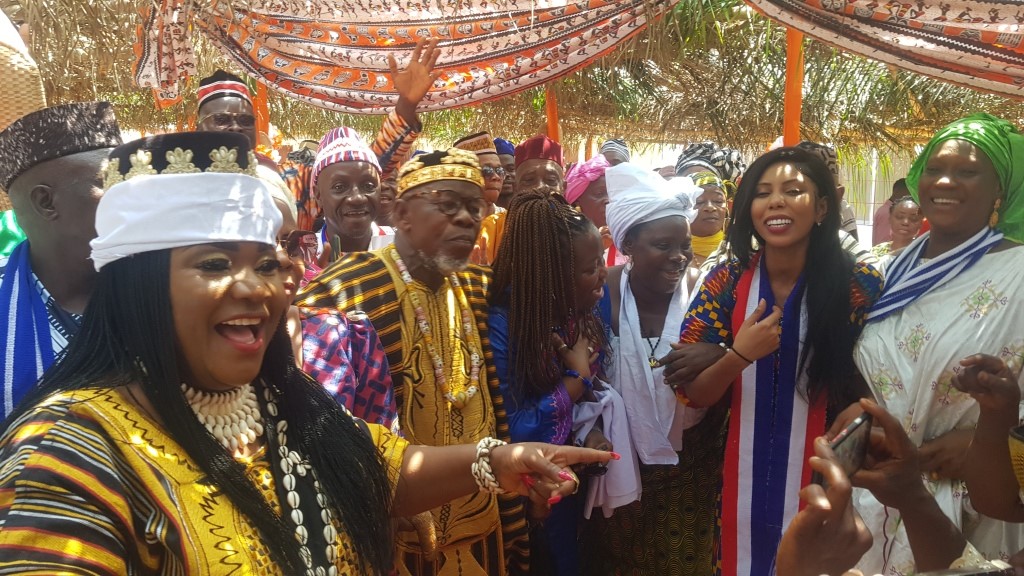
Chief Zanzan Kawah, Chairman of the National Council of Chiefs and Elders (NACCEL), voiced strong support for the decision and vowed to work with traditional leaders in the remaining counties.
“No one has the authority to bring FGM back—not even those who come asking for votes with promises to restore it,” he warned. “We are doing this because we want Liberia to move forward with the rest of the world.”
The ban on FGM in Montserrado marks a transformative moment for women’s rights and cultural reform in Liberia, signaling hope for nationwide change.
Comments are closed.