
JFK Dialysis Unit Under Fire, Patients Describe Facility as a ‘Death Trap’

4 Mins Read
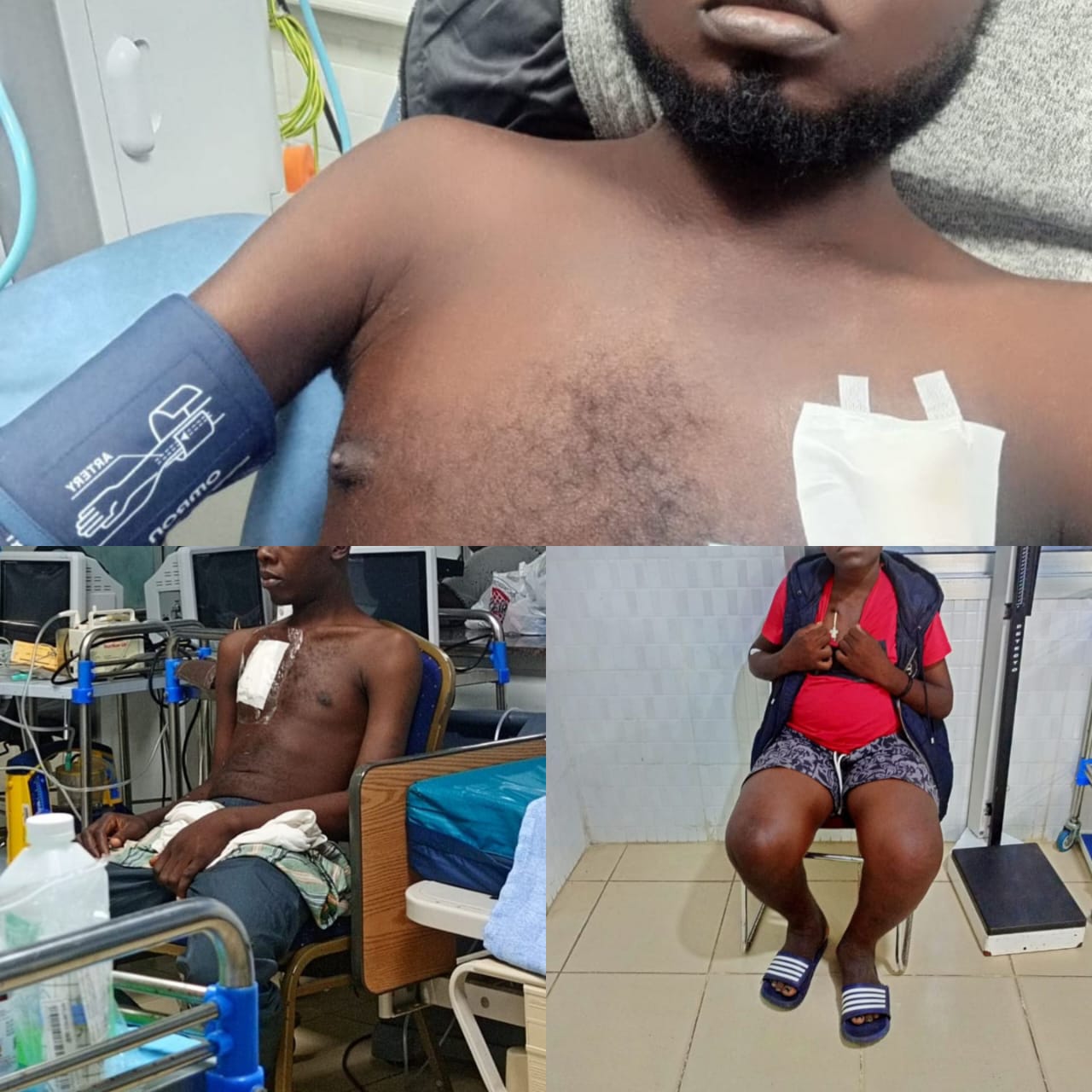
ADNews-Monrovia, Liberia: The Dialysis Unit at the John F. Kennedy Memorial Hospital (JFK) is facing mounting accusations of mismanagement, neglect, and systemic failure, with desperate patients branding the facility a “death trap.”
By: Benjamin Quaye Johnson benjaminqjohnson@gmail.com
Originally established to provide lifesaving dialysis treatment to Liberians with kidney failure, the unit has become a symbol of despair. Multiple patients have come forward with harrowing testimonies of persistent equipment failures, shortages of basic medical supplies, and unexplained service disruptions.
Bill Mensah, 35, has been receiving dialysis treatment at JFK for the past five months. “We are dying slowly here,” he said. “Even after paying, we are told there are no materials. No treatment. We’re just sent home.”
Mensah’s treatment regimen requires three sessions per week. Each session costs approximately $75, with an additional $25 for injections and counseling—amounting to over $250 weekly. Despite these costs, he is frequently denied treatment due to a lack of essential supplies.
“We spend everything we have and still face delays and cancellations,” Mensah lamented. “Where is the money going?”
Surprise Cuput, 26, echoed these concerns. She reportedly went an entire week without dialysis—a potentially fatal gap in care for someone with end-stage kidney disease.
“Do you know what it means for someone like me to miss dialysis? It’s life-threatening,” she said. “I’ve spent nights outside the center, sitting in a chair, just hoping for a chance.”
Cuput, like many others, struggles weekly to secure funds, often borrowing from family or soliciting donations, only to be turned away because of malfunctioning machines or missing supplies.
“We’re not just patients,” she said. “We’re young people with dreams, families, and futures. But the system is failing us.”
Worsening the crisis is the revelation that the center currently lacks reagents—critical chemical substances used to test the quality of dialysate and monitor key blood parameters such as urea, creatinine, calcium, and electrolytes. Without these tests, the safety and effectiveness of treatments are severely compromised.
“There are no reagents at the center. That poses a problem,” confirmed Josephine Seekey, Head of Public Affairs at JFK. She explained that medications and supplies are often imported at great expense, causing frequent delays.
When asked how the unit is conducting tests in the absence of reagents, Seekey was unable to provide a clear answer, citing challenges in reaching responsible personnel.
Dialysis treatment requires precise chemical balances and sterile conditions. Dialysate—the fluid used during the process—must be carefully mixed with acid concentrate, bicarbonate, and water. These components must be tested using reagents to ensure patient safety. Without proper testing, patients may be exposed to unsafe fluid mixtures, risking toxic reactions or long-term harm.
Despite repeated inquiries, the JFK administration has not issued an official statement addressing the unit’s operational failures. Meanwhile, patients like Mensah and Cuput have turned to the media and social platforms, pleading for urgent intervention from the government and international partners.
“This is not just about healthcare,” said Mensah. “This is about life and death. We are calling for urgent action—not tomorrow, but today.”
When the JFK Dialysis Unit was inaugurated, government officials promised that no kidney patient in Liberia would be left behind. It was a moment of hope for many facing life-threatening conditions in a country with few treatment options.
Today, that promise has unraveled, replaced by anger, fear, and frustration. The suffering faced by dialysis patients is a stark reminder of the broader dysfunction within Liberia’s healthcare system, which remains chronically underfunded, under-equipped, and increasingly inaccessible.
Unless immediate steps are taken to resolve shortages, enhance oversight, and offer financial support, Liberia risks not only the collapse of a critical health service but the loss of lives and dreams of its most vulnerable citizens.
Comments are closed.