

3 Mins Read
ADNews,Monrovia,Liberia: Women political aspirants, elected leaders, civil society organizations, development partners, and youth representatives have renewed calls for increased investment in women’s political leadership and governance.
They warned that Liberia’s democracy cannot achieve its full potential while women remain largely underrepresented in elected decision-making spaces.
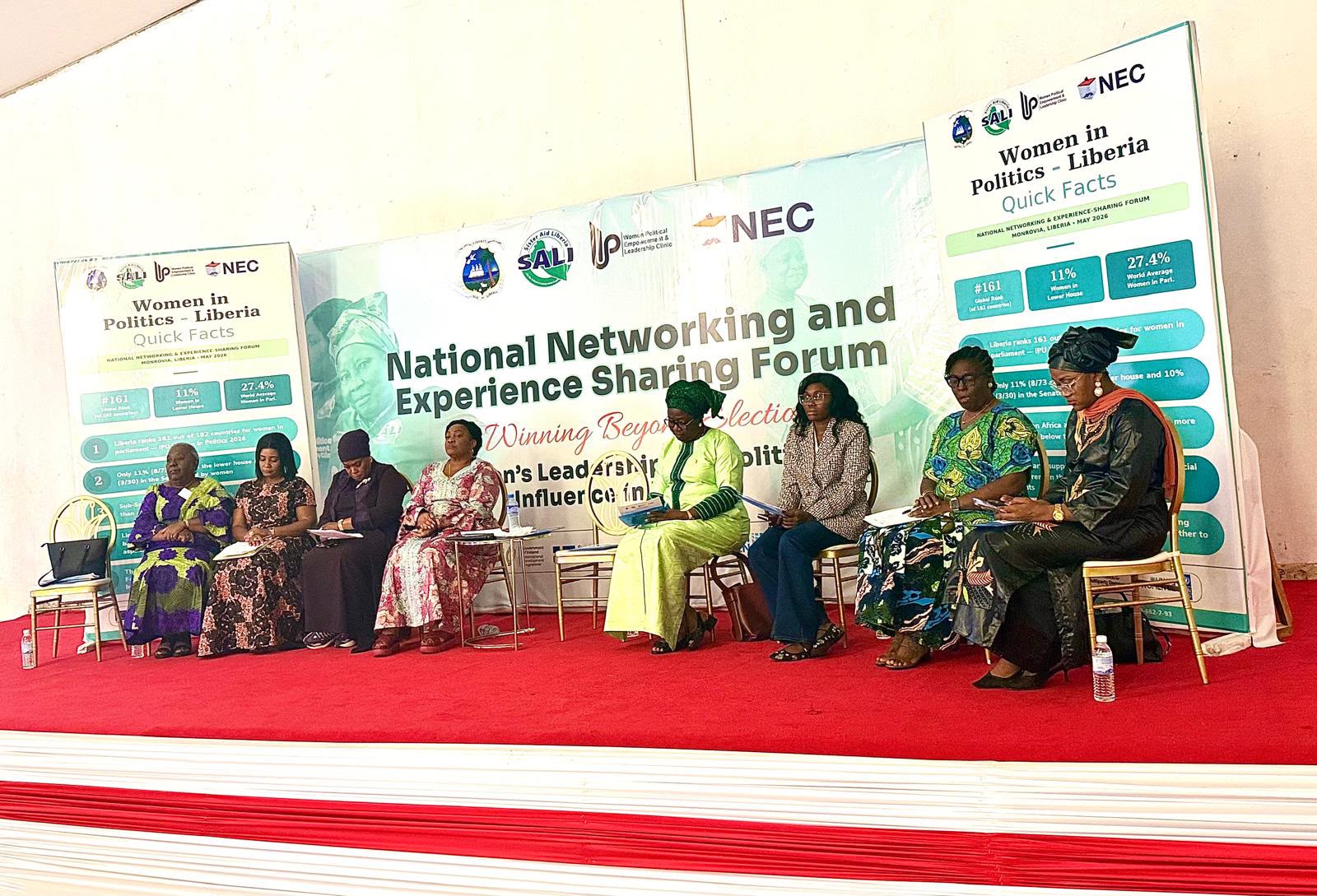
The call was made during the Networking and Experience-Sharing Forum for Women Political Aspirants in Liberia, held at the Paynesville Town Hall under the Liberia Electoral Support Project.
Sister Aid Liberia convened the forum in partnership with UN Women.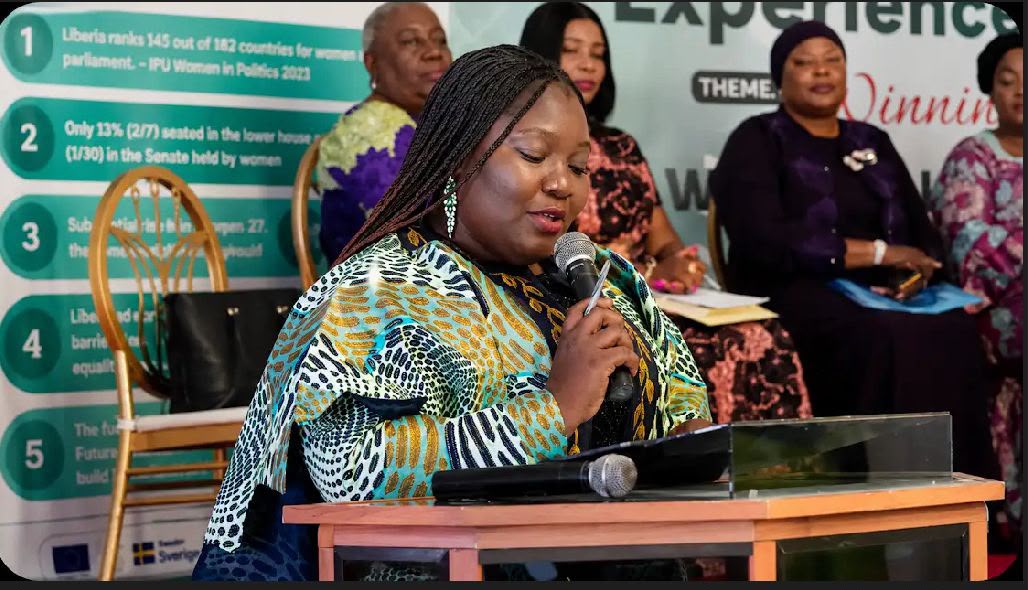
The gathering served as a strategic platform for mentorship, dialogue, and sharing experiences among women leaders and aspiring politicians ahead of future electoral processes.
Participants at the forum emphasized that while Liberia has made some gains in women’s participation through appointive government positions, the country continues to face a major gender gap in elective leadership.
According to participants, data from the 2023 general elections show that women currently occupy only 10.7 percent of seats in the Liberian Legislature. A figure many women politicians described as deeply concerning for a country that once made history by electing Africa’s first female president.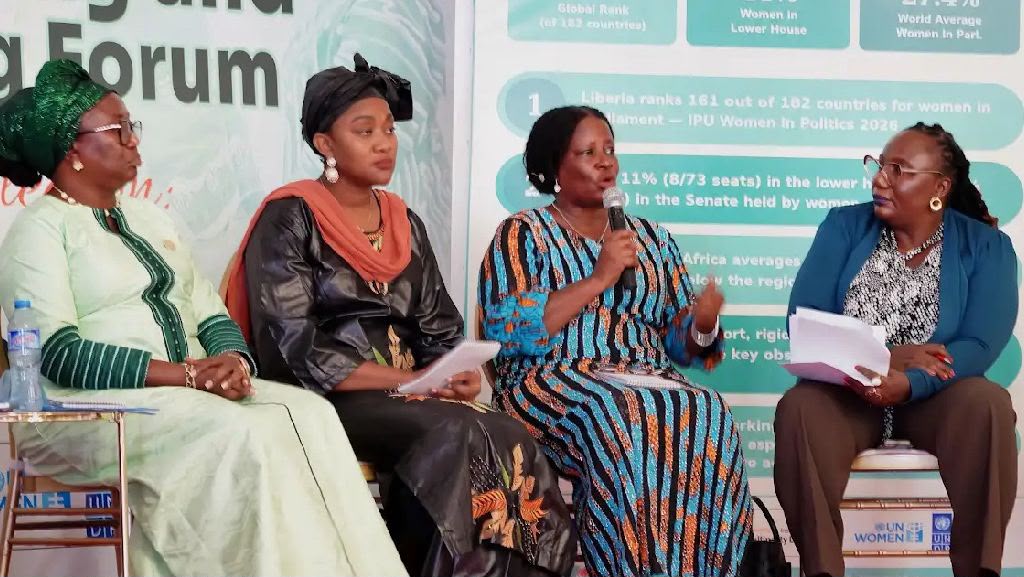
Speakers at the forum also stressed that the low representation of women in governance is not only a gender issue, but a development and democracy challenge.
They argued that evidence across Africa and globally continues to show that women’s leadership contributes significantly to stronger democratic institutions, improved social policies, greater transparency, and more inclusive development outcomes.
The forum further noted that countries with higher levels of women’s political participation often record stronger investments in education, healthcare, child protection, peacebuilding, and community development, sectors that directly impact national stability and economic growth.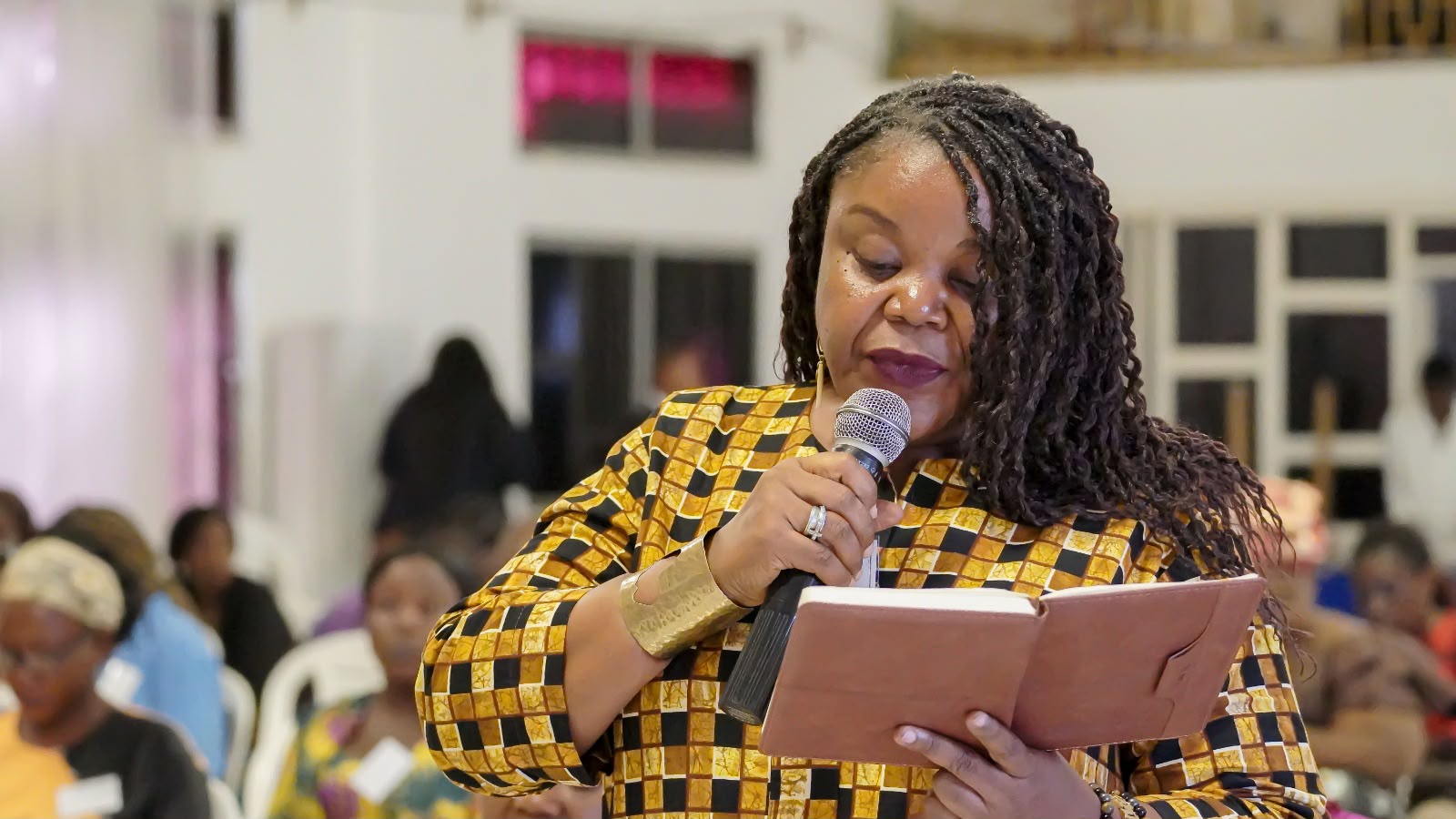
Participants warned that without deliberate investment in women’s leadership development, Liberia risks excluding a significant portion of its population from national decision-making processes.
Discussions at the forum highlighted several structural and systemic barriers limiting women’s political participation in Liberia.
They named high campaign financing costs, limited access to political funding and networks, entrenched gender stereotypes, political intimidation and violence, unequal media representation, and weak inclusion mechanisms within political parties.
Several speakers noted that many qualified women are discouraged from contesting elections due to financial disadvantages and social pressures that perpetuate the portrayal of politics as a male-dominated space.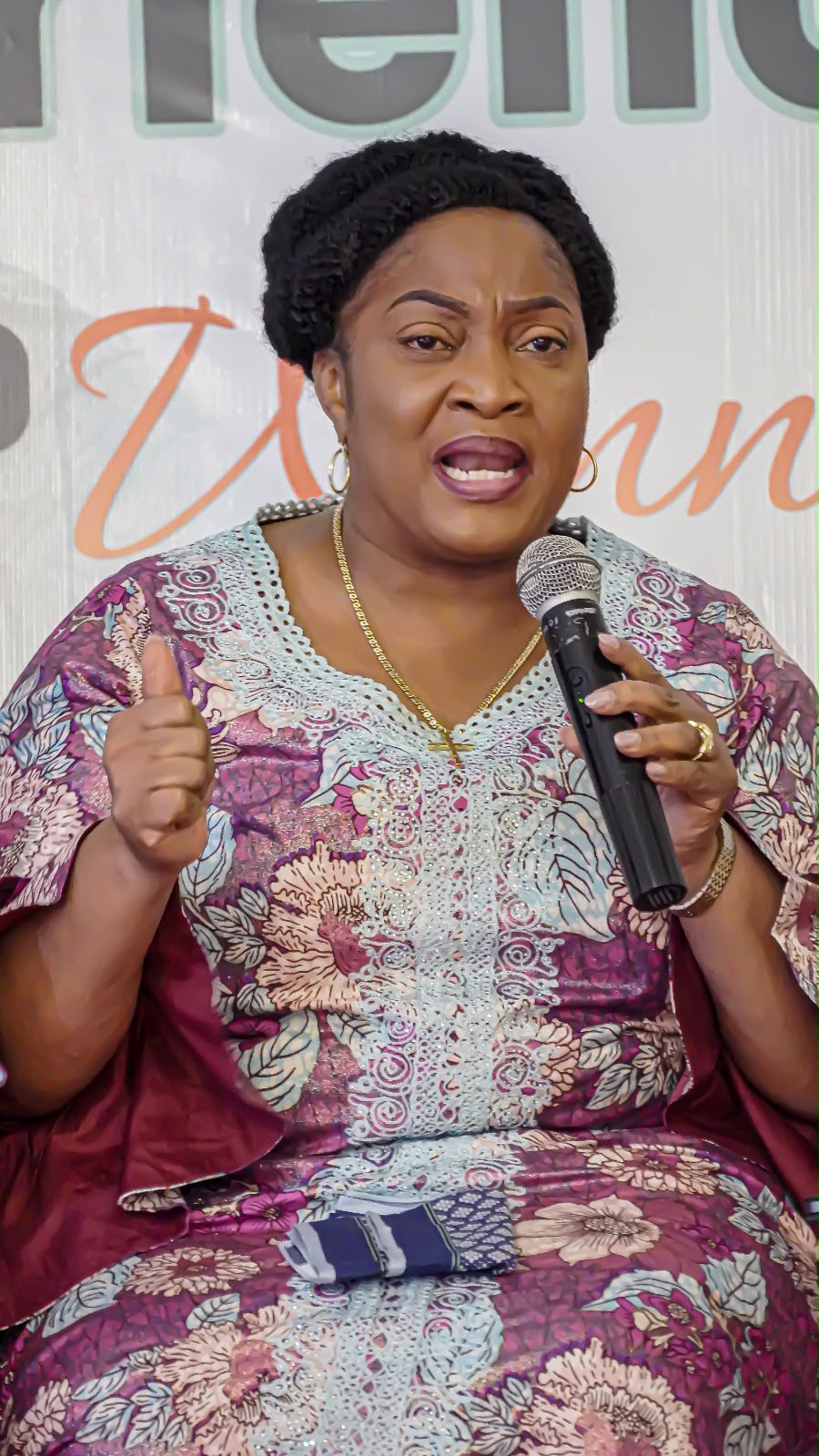
The forum, therefore, called for stronger collaboration among political parties, government institutions, civil society organizations, development partners, the media, and local communities to address the barriers confronting women in politics.
Participants also emphasized the importance of strengthening mentorship opportunities, expanding civic and leadership training programs, promoting electoral reforms, and ensuring safer political environments for women and girls aspiring to leadership.
The organizers expressed appreciation to partners and supporters, including the European Union, the Embassy of Sweden, UN Women, UNDP, and the Netherlands Institute for Multiparty Democracy, for their continued commitment to advancing women’s political participation and inclusive democracy in Liberia.
Distinguished participants at the forum included former Vice President H.E. Jewel Howard Taylor, Senate Pro-Tempore Honourable Nyonblee Karnga-Lawrence, Honourable Moima Briggs-Mensah, H.E. Amb. Marjon Kamara of the African Women Leaders Network (AWLN), women political aspirants, youth leaders, civil society actors, and representatives of the international development community.
Comments are closed.