

3 Mins Read
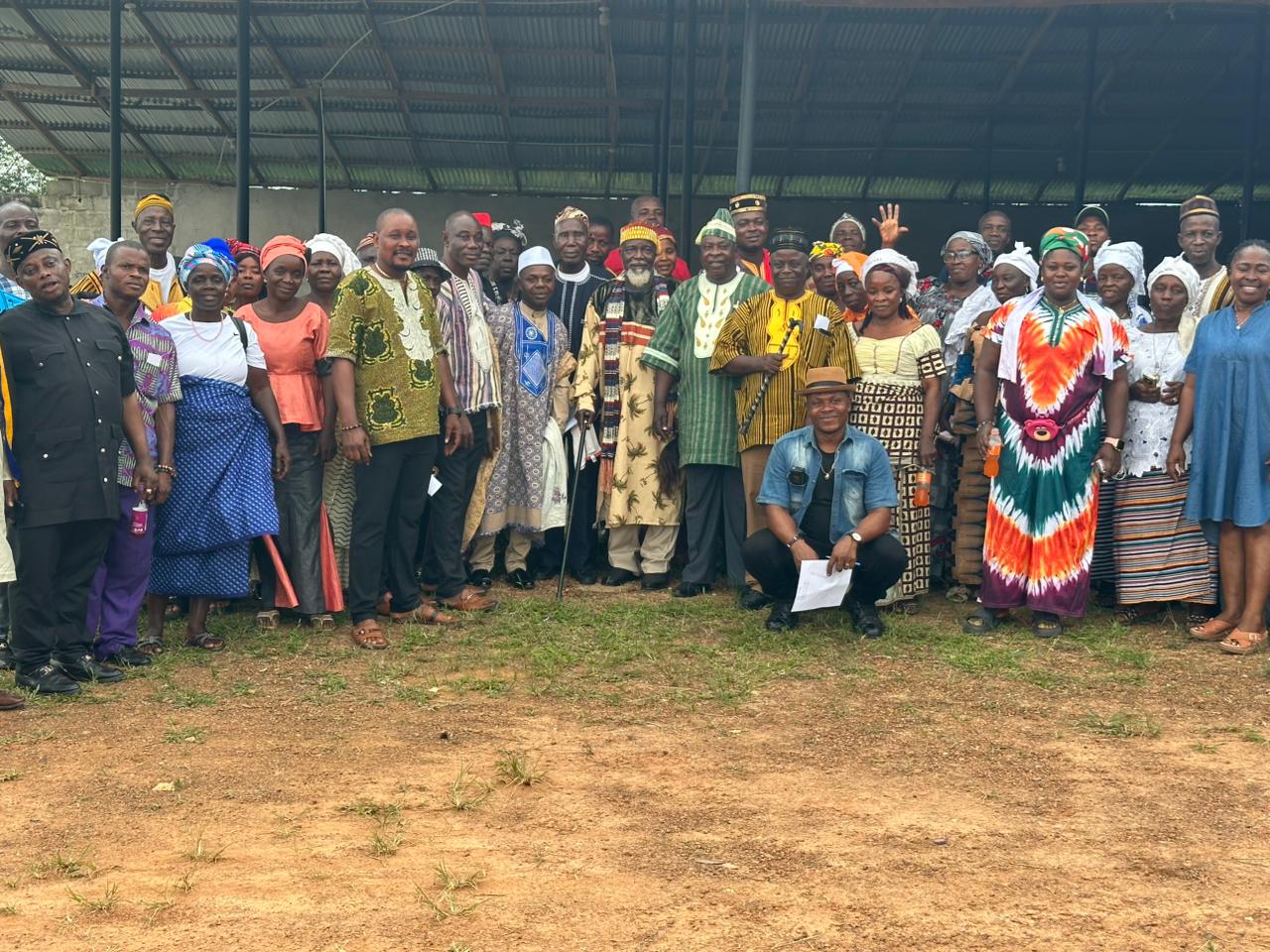
ADNews_Margibi County, Lioberia: In a bid to address rising concerns surrounding harmful traditional practices and gender-based violence, the Ministry of Internal Affairs (MIA) and the Ministry of Gender, Children and Social Protection, with support from ActionAid Liberia (AAL), held a one-day Transitional Engagement Meeting with traditional chiefs, elders, cultural practitioners, community and religious leaders in Kakata City, Margibi County over the weekend.
By Benjamin Quaye Johnson benjaminqjohnson@gmail.com
The Engagement Meeting, held at Ma-Nowah Guest House, brought together key traditional stakeholders from Upper and Lower Margibi County, including Sandy and Poro society leaders, and representatives from the Margibi County Superintendent’s office, which was organised to strengthen dialogue around the government’s one-year moratorium on transitional practices and promote awareness of gender-based violence (GBV) in rural areas.
The moratorium, instituted by the Ministry of Internal Affairs, comes in the wake of repeated reports of underage schoolchildren, mostly girls, being forcibly taken into secret society bush schools during academic hours. These actions, described by government officials as “deliberate and unlawful,” have sparked national outrage and concerns about human rights violations under the guise of cultural tradition.
Assistant Minister for Customs and Cultural Affairs, William Jallah, opened the meeting by urging chiefs and elders to uphold the one-year moratorium while the government finalizes a new National Traditional Practices Policy. The policy is being developed through participatory consultation and seeks to align traditional practices with Liberia’s constitutional obligations and human rights standards.
“Culture cannot exist in contradiction to the law or modern principles of human dignity,” said Minister Jallah. “When traditional practices conflict with national laws or violate human rights, they must be reformed, not removed, but refined.”
Jallah acknowledged that cultural heritage plays a critical role in national identity but emphasised the importance of legal compliance, particularly where women’s and children’s rights are at risk.
Speaking on gender-based violence, Wallace K. Barway, Program Officer in the GBV Division at the Ministry of Gender, highlighted that GBV, including the forced initiation of children into traditional societies, constitutes a human rights abuse.
“Children under the age of maturity who are taken into the ‘sandy’ or ‘poro’ bush without consent or during school hours are victims of gender-based violence,” Barway stated. “This must stop.”
Barway urged traditional leaders to act as protectors of their communities and not enforcers of harmful customs.
He called for strengthened collaboration between traditional institutions and government ministries to ensure community safety.
Madam Chue Roberts, Program Officer at ActionAid Liberia, closed the engagement with a message of gratitude and solidarity. She reaffirmed ActionAid’s commitment to working with traditional leaders in advocating for human rights and gender equity.
“This has been a powerful and enlightening day. We are committed to walking this journey with our traditional leaders, especially as we focus on ending violence against women and children,” she said.
Madam Roberts commended the participant and emphasised that real change requires sustained partnership at both national and community levels.
Representing the Margibi County traditional council, Chief Sam G. Gbargaye, Head of Chiefs in Margibi County, lauded the Ministries of Internal Affairs and Gender, as well as ActionAid, for organizing the engagement.
He pledged that traditional leaders in Margibi will continue to respect and uphold the government’s one-year moratorium.
“Our people respect their leaders, and we will follow the Ministry’s instructions,” Chief Gbargaye concluded.
Comments are closed.